Energy Certificates
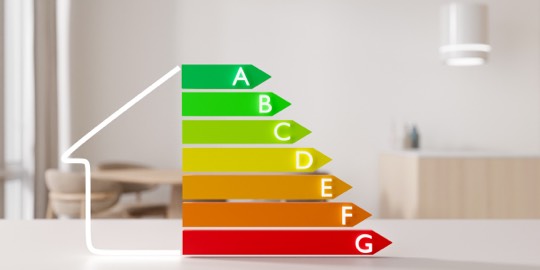
Energy Performance Certificate
An Energy Performance Certificate (EPC) is a legally valid document which provides an energy efficiency rating (displayed on an A-G scale) in relation to a property’s running costs. This rating will take into account the potential energy performance of the property itself (the fabric) and its services (heating, lighting, hot water etc).
Not all properties are used in the same way. The energy efficiency rating uses ‘standard occupancy’ assumptions (typically 2 adults and 2 children) which may be very different from the way in which occupiers actually use things like heating and lighting within their property.
When Do I Need An EPC?
An EPC is required in the UK whenever a property is marketed for sale or rent or is newly built. The EPC is valid for 10 years or until a newer EPC is produced for the same property. It is recommended that a property’s EPC should be made available to potential buyers as soon as it is marketed for sale or rent.

Commercial Energy Performance Certificate
A Commercial or Non-Domestic Energy Performance Certificate (EPC) displays the energy performance of a commercial building on an A+ to G scale (A+ indicating net zero and G being the worst performing).
The rating is based on the estimated carbon emissions of the building unlike EPCs for existing dwellings which are based on a property’s estimated running costs.
In addition to this, the EPC document will also show:
- A breakdown of a property’s energy performance
- Recommendations for improvements (available as a separate document)
Regulations in England, Wales and Northern Ireland
You need a Non-Domestic EPC in order to build, sell or let a non-domestic property.
Minimum Energy Efficiency Standards (MEES) require landlords in the private rented sector to have an EPC with an E rating or higher before they can issue a new lease for a property.
A new EPC is not required every time a property is let or sold provided it is no more than 10 years old.